No Heating at Night? What to Do Before Calling an Emergency Plumber
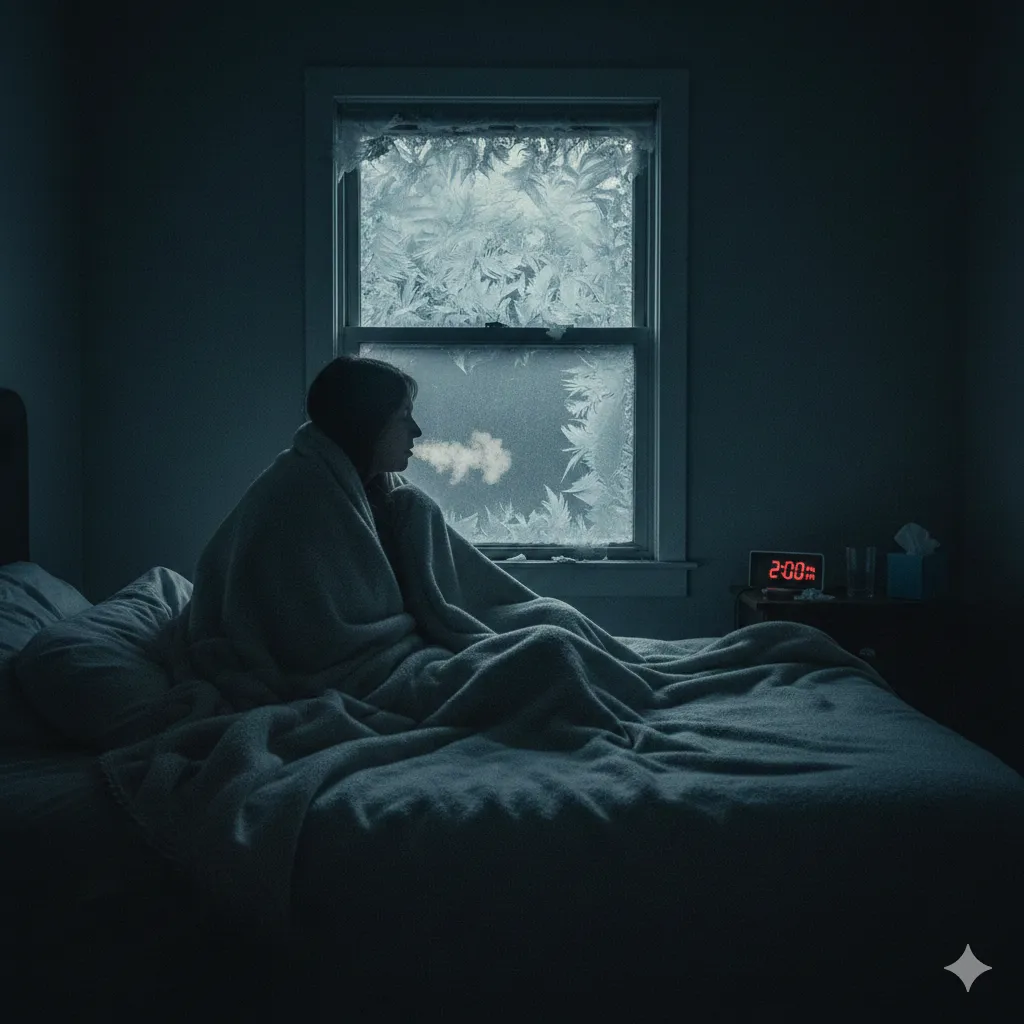
There’s nothing worse than waking up at 2 AM in a freezing house, wondering if you need to call an emergency plumber right away. I’ve taken hundreds of these calls over the years, and here’s what I’ve learned: about half the time, there’s something simple you can check yourself before spending money on an emergency call-out fee.
Don’t get me wrong—I’m not trying to talk myself out of work. But as someone who’s been fixing heating systems for nearly two decades, I’d rather you save some money on the easy stuff and call me when you really need professional help. Let’s walk through what you should check first.
Check Your Thermostat Settings First
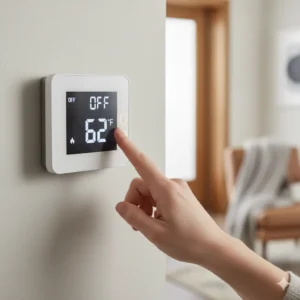
This might sound obvious, but you’d be surprised how many emergency calls I’ve responded to where someone accidentally switched their heating to “off” or changed the schedule without realizing it.
Look at your thermostat display. Is it showing the temperature you expected? Many modern thermostats have night setback features that lower the temperature while you sleep. If someone in your household adjusted these settings, your heating might be doing exactly what it’s been told to do—just not what you want.
Try bumping the temperature up by five degrees and wait about 15 minutes. If nothing happens, we need to dig deeper.
Is Your Boiler Actually Running?
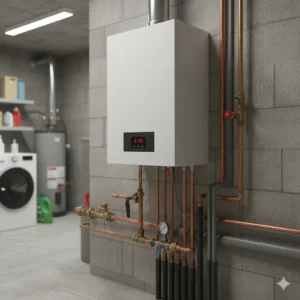
Walk over to your boiler and have a look. Most modern boilers have a display screen that shows error codes when something goes wrong. Write down any codes you see—they’re incredibly helpful if you do need to call someone out.
Check if the pilot light is on (if you have an older boiler). The pilot light is a small flame that should always be burning. If it’s out, your boiler won’t fire up. Some homeowners can relight their own pilot lights safely, but if you’re not comfortable doing this, don’t attempt it. Gas appliances need to be treated with respect.
Listen carefully. Do you hear the boiler trying to fire up but failing? That clicking or humming sound tells me the boiler is getting power but something’s preventing it from igniting properly.
Power Supply Problems
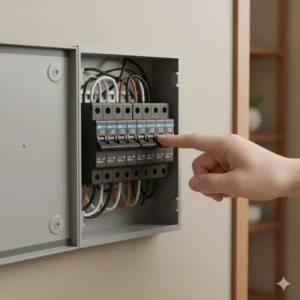
I’ve driven across town at midnight only to find that someone tripped a switch in the fuse box. Before you call anyone, check your electrical panel.
Look for any tripped breakers or blown fuses that control your heating system. The switch for your boiler is usually labeled, though I’ve seen plenty of houses where nothing’s labeled properly. If you find a tripped breaker, flip it back on and see if your heating fires up.
Also check the fused spur near your boiler itself. This is a small switch on the wall, usually with a fuse inside. Sometimes these get switched off accidentally when people are cleaning or moving things around.
Water Pressure Issues
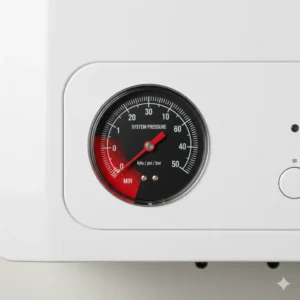
Low water pressure is one of the most common reasons boilers shut down at night. Your boiler has a pressure gauge on the front—it’s usually a dial with green and red sections, or a digital reading.
The pressure should typically sit between 1 and 2 bar when the system is cold. If it’s dropped below 1 bar, your boiler won’t fire up. This is a safety feature to prevent damage.
You can repressurise most modern boilers yourself using the filling loop underneath the unit. It’s a flexible hose with a valve at each end. Open both valves slowly and watch the pressure gauge climb back into the green zone. Once it reaches about 1.5 bar, close both valves immediately.
If your pressure drops frequently, you’ve got a leak somewhere in your system. That’s definitely a job for a professional, but at least you can get the heating working temporarily.
Frozen Condensate Pipe
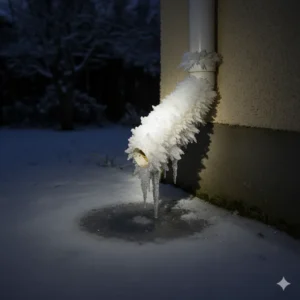
This is the nightmare scenario during cold snaps, and it happens more often than you’d think. Modern condensing boilers have a white plastic pipe that runs outside, usually near ground level. When temperatures drop below freezing, the water inside this pipe can freeze solid, blocking your boiler from working.
Go outside with a torch and find this pipe. If it’s frozen (you might see ice or feel it’s rock solid), you can carefully thaw it using warm—not boiling—water poured over the pipe. I usually tell people to use a hot water bottle wrapped around the pipe if they’re nervous about pouring water.
Once it’s thawed, your boiler should reset and fire up again. But here’s the thing: it’ll just freeze again tomorrow night unless you insulate that pipe properly. That’s a job you can do yourself with some pipe insulation from any hardware store.
Radiator Issues Throughout the House
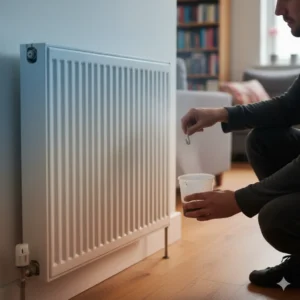
Sometimes it’s not the boiler that’s failed—it’s a problem with your radiators. Feel the radiators in different rooms. Are some hot and others completely cold? Is the bottom of each radiator hot but the top cold?
If radiators are cold at the top, they need bleeding. Air gets trapped inside over time, preventing hot water from circulating properly. You can bleed radiators yourself with a radiator key (they cost about a pound from any DIY shop). Turn your heating off first, then slowly open the valve at the top corner of the radiator until you hear hissing. When water starts dripping out, close it quickly.
If some radiators are hot but others stay completely cold, you might have a circulation problem or a stuck valve. That’s when you need someone like me to balance your system properly.
When You Really Should Call an Emergency Plumber
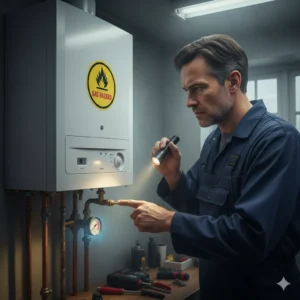
Right, let’s talk about when you should pick up the phone and call for help, even if it’s the middle of the night.
Call immediately if you smell gas. Don’t try to investigate—just get everyone out of the house, call the gas emergency number, and don’t use any electrical switches or create any sparks.
If your boiler is making loud banging, whistling, or gurgling noises, shut it off and call someone. These sounds can indicate serious problems like a failing pump, blocked heat exchanger, or dangerously high pressure.
Water leaking from your boiler or heating pipes needs immediate attention. Turn off the water supply to your heating system if you can find the valve, and call an emergency plumber. Even a small leak can cause serious damage overnight.
If you’ve checked everything I’ve mentioned and your heating still won’t work, and temperatures are dropping below freezing, don’t wait until morning. Frozen pipes can burst and cause thousands of pounds worth of damage. An emergency call-out fee is much cheaper than replacing water-damaged ceilings and floors.
Preventing Future Night-Time Heating Failures
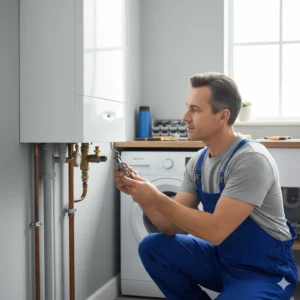
Once you’ve got your heating working again, let’s talk about stopping this from happening again.
Have your boiler serviced annually. I know it costs money, but a service catches small problems before they become 3 AM emergencies. Plus, most boiler warranties require annual servicing.
Insulate that condensate pipe before next winter. Seriously, it takes 20 minutes and prevents one of the most common cold-weather breakdowns.
Know where your emergency controls are. Make sure everyone in your house knows how to shut off the water and turn off the boiler in an emergency.
Keep your boiler pressure topped up regularly. Check it once a month and repressurise if needed—don’t wait until it’s dropped so low the boiler won’t fire.
Final Thoughts
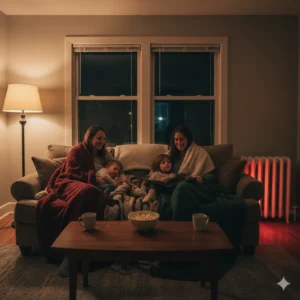
Look, I make a good living from emergency call-outs, but I’d rather you only call me when you genuinely need professional help. Most night-time heating failures have a simple explanation that you can fix yourself in ten minutes.
Work through these checks systematically. Don’t panic, and don’t immediately assume the worst. But equally, know when you’re out of your depth. Gas appliances and high-pressure heating systems can be dangerous if you don’t know what you’re doing.
If you’ve tried everything here and you’re still shivering, give an emergency plumber a ring. We’re used to working unsociable hours, and we’d rather get you warm again than have you suffering through a freezing night. Just make sure you’ve checked the basics first—your wallet will thank you, and so will the plumber who doesn’t have to drive across town to flip a switch in your fuse box.