Top Reasons Homeowners Call for Emergency Plumbing (2026)
New Boiler Cost 2025: Full Price & Installation Guide
New Boiler vs Boiler Repair: How to Decide (2025 UK Guide)
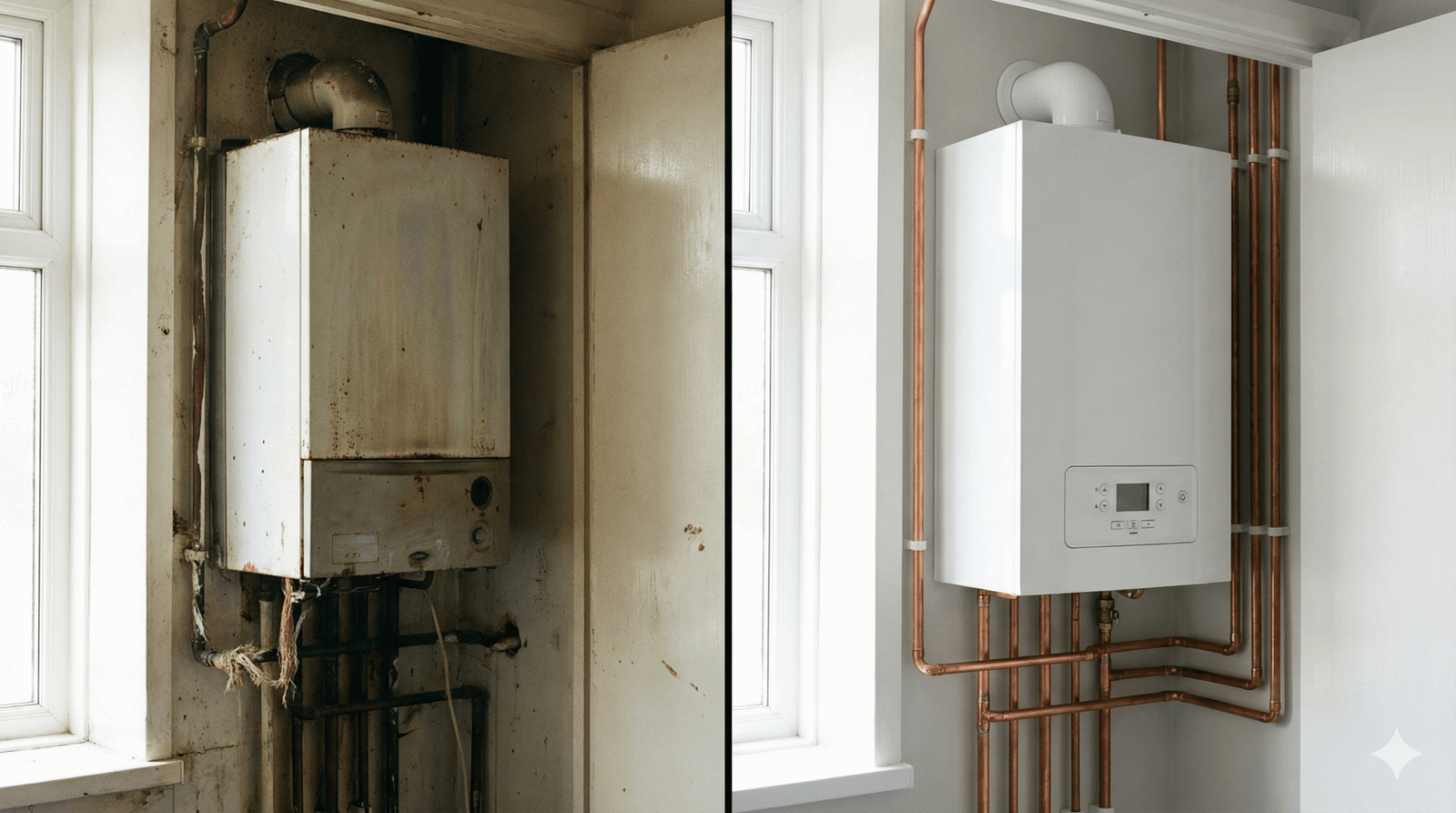
New Boiler vs Boiler Repair – How Homeowners Should Decide It usually happens on the coldest Tuesday of the year. You wake up, turn on the shower, and… nothing. Just a blast of freezing water that wakes you up faster than any espresso. As the team behind Anglian Plumbing Heating and Electrics, we see this scenario every winter. The panic sets in immediately. You are standing there, shivering, wondering if this is a simple £150 fix or a £2,500 catastrophe. The debate of new boiler vs boiler repair is one of the most expensive decisions a homeowner has to make. Make the wrong choice, and you could be throwing good money after bad on a dying machine. But replace it too early, and you’ve spent thousands you didn’t need to. In this guide, we are going to walk you through the exact decision matrix we use when advising our own customers. No sales fluff—just the cold, hard maths of heating. The “50% Rule” and The Age Factor When we arrive at a call-out, the first thing we look at isn’t the broken part—it’s the boiler’s birth date. Boilers in the UK are workhorses. They run for about 2,500 hours a year. If you drove your car for that long at 40mph, you’d rack up 100,000 miles every single year. It’s no wonder they eventually give up. 1. The Age Threshold Under 7 Years Old: Almost always repair. Unless the unit has been catastrophically neglected, a boiler this young has plenty of life left. 7–12 Years Old: The “Danger Zone.” This is where the decision gets tricky. You need to weigh the cost of the repair against the boiler’s remaining lifespan. Over 12 Years Old: You are on borrowed time. Even if we fix the current issue, another component is likely to fail within 12 months. 2. The 50% Rule We often advise customers to use this simple formula: If the cost of the repair is more than 50% of the cost of a new boiler (or the current value of your boiler), replace it. For example, if you need a new heat exchanger and fan on a 10-year-old boiler, the quote might hit £600–£800. A brand new, A-rated combi boiler might cost you around £2,000–£2,500 installed. Spending nearly 40% of the cost of a new unit on a decade-old machine rarely makes financial sense. The Hidden Costs of “Just Patching It Up” Many homeowners look at the upfront cost: £300 for a repair vs £2,500 for a replacement. The repair looks cheaper. But that’s ignoring the efficiency tax you pay every month. The Efficiency Gap (G-Rated vs A-Rated) Older boilers (specifically non-condensing ones installed before 2005) are often G-rated. This means they run at about 60-70% efficiency. For every £1 you spend on gas, 30p-40p is literally going straight up the flue. Modern condensing boilers, mandated by UK building regulations, must be at least 92% efficient (A-rated). The Maths: According to 2025 data from the Energy Saving Trust, upgrading a G-rated boiler to a new A-rated condensing boiler can save a semi-detached household roughly £300–£400 per year on energy bills. Repair Path: You pay £300 for the repair + continue paying high bills. Replace Path: You pay for the boiler, but the savings effectively “pay back” the installation cost over 5-7 years. When You Should Definitely REPAIR We don’t want to sell you a new boiler if a £50 part will sort you out. Here is when a repair is the smart move: 1. It’s a Peripheral Component If the issue is a faulty thermostat, a pressure relief valve, or a thermocouple, these are relatively standard, affordable repairs. They don’t indicate that the “heart” of the boiler is failing. 2. Parts are Readily Available If your boiler is a popular model (like a Worcester Bosch Greenstar or a Vaillant Ecotec) and under 10 years old, parts are easy to source. If your engineer has to scour eBay for a refurbished fan because the manufacturer stopped making them in 2014, take that as a sign to upgrade. 3. You Plan to Move Soon If you are selling your house in the next 6 months, you won’t recoup the investment of a new boiler through energy savings. However, be aware that a very old boiler can come up on a surveyor’s report and might force you to lower your asking price. When You Should Definitely REPLACE There are certain failures where we almost always recommend cutting your losses. 1. The Heat Exchanger Has Failed This is the engine of your boiler. If it cracks or scales up badly, the replacement cost is astronomical—often £500+. It’s the equivalent of a blown engine in a car. Scrapping it is usually the better option. 2. The PCB (Printed Circuit Board) Has Gone The “brain” of the boiler. On older models, replacing a PCB can be surprisingly expensive and tricky. If the brain goes on an old boiler, the body usually isn’t far behind. 3. Your Radiators are Cold at the Bottom (Sludge) This isn’t just a repair; it’s a system issue. If your old boiler is clogged with magnetite (black sludge), simply fixing the broken part won’t help. You likely need a Powerflush and a new boiler with a magnetic system filter (like a MagnaClean) to prevent it from happening again. Future-Proofing: What About Hydrogen? A common question we get in 2025: “Should I wait for hydrogen boilers?” The short answer: No. The government and industry have moved toward “Hydrogen-Ready” boilers. Most modern gas boilers installed today are designed to accept a 20% hydrogen blend without any modification. If the gas grid changes in the future, your new boiler will likely cope just fine or require a very minor part swap. Waiting for a “pure hydrogen” boiler that doesn’t exist yet will just leave you cold today. Conclusion: The Peace of Mind Factor Finances aside, there is a value to peace of mind. An old boiler is like an old car—you never quite trust
The Complete Guide to Choosing a Reliable Plumber: Your Essential Checklist + Red Flags to Avoid
The Complete Guide to Choosing a Reliable Plumber: Your Essential Checklist + Red Flags to Avoid Last month, I stood ankle-deep in water at 2 AM, frantically searching for an emergency plumber. In that moment of panic, I nearly hired the first person who answered the phone—someone who turned out to have a trail of complaints with the Better Business Bureau. That close call taught me an invaluable lesson: knowing how to choose a reliable plumber before an emergency strikes can save you thousands of dollars and countless headaches. With over 132,000 plumbing businesses operating in the United States and the industry valued at approximately $158.6 billion, finding the right professional shouldn’t feel like searching for a needle in a haystack. Yet many homeowners struggle to distinguish between trustworthy plumbers and those looking to take advantage. This comprehensive guide will walk you through everything you need to know to make an informed decision, avoid common scams, and find a plumber you can trust for years to come. Why Choosing the Right Plumber Matters More Than Ever The plumbing industry is experiencing significant changes in 2025. While demand for skilled plumbers continues to grow, the U.S. is expected to be short 550,000 plumbers by 2027. This shortage has created an environment where both excellent professionals and opportunistic scammers compete for your business. The average cost for hiring a plumber ranges from $180 to $489, with a national average of approximately $331 per job. However, I’ve seen homeowners pay significantly more—sometimes thousands extra—simply because they didn’t know what questions to ask or what warning signs to watch for. The Ultimate Plumber Selection Checklist 1. Verify Licensing and Credentials This is non-negotiable. Every legitimate plumber should possess proper state licensing. Most states require plumbers to hold at least a journeyman license, which typically requires 4-8 years of training and supervised experience, plus passing a comprehensive exam. Here’s what to check: Request the license number upfront. A professional plumber will provide this without hesitation. Verify the license through your state’s licensing board. Most states offer online databases where you can confirm a plumber’s credentials are current and in good standing. Understand the license levels: Apprentice plumbers work under supervision, journeyman plumbers can work independently, and master plumbers can supervise others and pull permits. In my experience calling five different plumbers last year, only three immediately provided their license numbers without prompting. The two who hesitated? Both had expired licenses or were operating without proper credentials. 2. Confirm Insurance and Bonding Insurance protects you from liability if something goes wrong. A reliable plumber should carry: General liability insurance (minimum $100,000 bodily injury and $25,000 property damage in most states) Workers’ compensation insurance if they employ others Bonding for larger jobs, which provides financial protection if the plumber fails to complete the work Ask for certificates of insurance and verify they’re current. I once worked with a plumber who claimed to be insured but couldn’t produce documentation—a major red flag I should have heeded earlier. 3. Check Reviews and References With nearly 30% of online reviews being fake, you need to be strategic about your research: Look across multiple platforms: Google, Yelp, Better Business Bureau, and Angi Watch for “date flooding”: Seven five-star reviews posted on the same day often indicate purchased reviews Read the negative reviews carefully: How a company responds to complaints tells you more about their character than glowing testimonials Ask for recent references: Speak with at least three previous customers who had similar work done Pay attention to specifics. Reviews that say “Great service!” without mentioning what problem was solved, which plumber worked on the project, or when the service occurred are likely fake. 4. Evaluate Their Business Professionalism Legitimate plumbing companies demonstrate professionalism in multiple ways: Marked service vehicles with company name and contact information Physical business address (not just a PO Box or UPS Store) Professional website with detailed service information Uniformed technicians with company identification Prompt, professional communication When I’ve worked with top-tier plumbers, they arrived in branded trucks, wore uniforms with their names, and presented business cards immediately. The unprofessional ones? They showed up in unmarked vans and seemed evasive about basic business details. 5. Get Written Estimates—Always Never allow work to begin based on a verbal quote. A written estimate should include: Detailed scope of work Itemized costs for labor and materials Timeline for completion Payment schedule Warranty information License number and company contact details I’ve learned to request estimates from at least three plumbers for any job over $500. This comparison shopping once saved me $800 on a water heater installation when I discovered one quote was significantly inflated. Red Flags: When to Walk Away Immediately 1. Demands for Full Payment Upfront This is the most common plumbing scam. In most states, contractors cannot legally require more than 10% upfront payment. Legitimate plumbers typically request payment only after work is completed to your satisfaction. If a plumber claims they need the full amount upfront to “purchase materials” or because they’ve “been burned before,” that’s your cue to end the conversation. I nearly fell for this once—thankfully, a neighbor warned me just in time that the same plumber had disappeared with her deposit. 2. Cash-Only Operations Requiring cash-only payments with no written receipts often indicates: The plumber isn’t paying taxes They lack proper business licensing They don’t carry insurance You’ll have no recourse if problems arise Reputable plumbers accept multiple payment methods and always provide detailed receipts. 3. Pressure Tactics and Scare Mongering Dishonest plumbers use urgency to cloud your judgment. Watch for phrases like: “This is a critical safety issue that needs immediate attention” “Your entire system will fail if we don’t replace it today” “I can give you this price only if you decide right now” A trustworthy plumber will explain the problem clearly, provide options, and give you time to make an informed decision. When a plumber recently told me my water heater was “about to explode,” I got a second opinion—turns out
Blocked Toilet or Drain Problem? A Plumber’s Guide to DIY Fixes
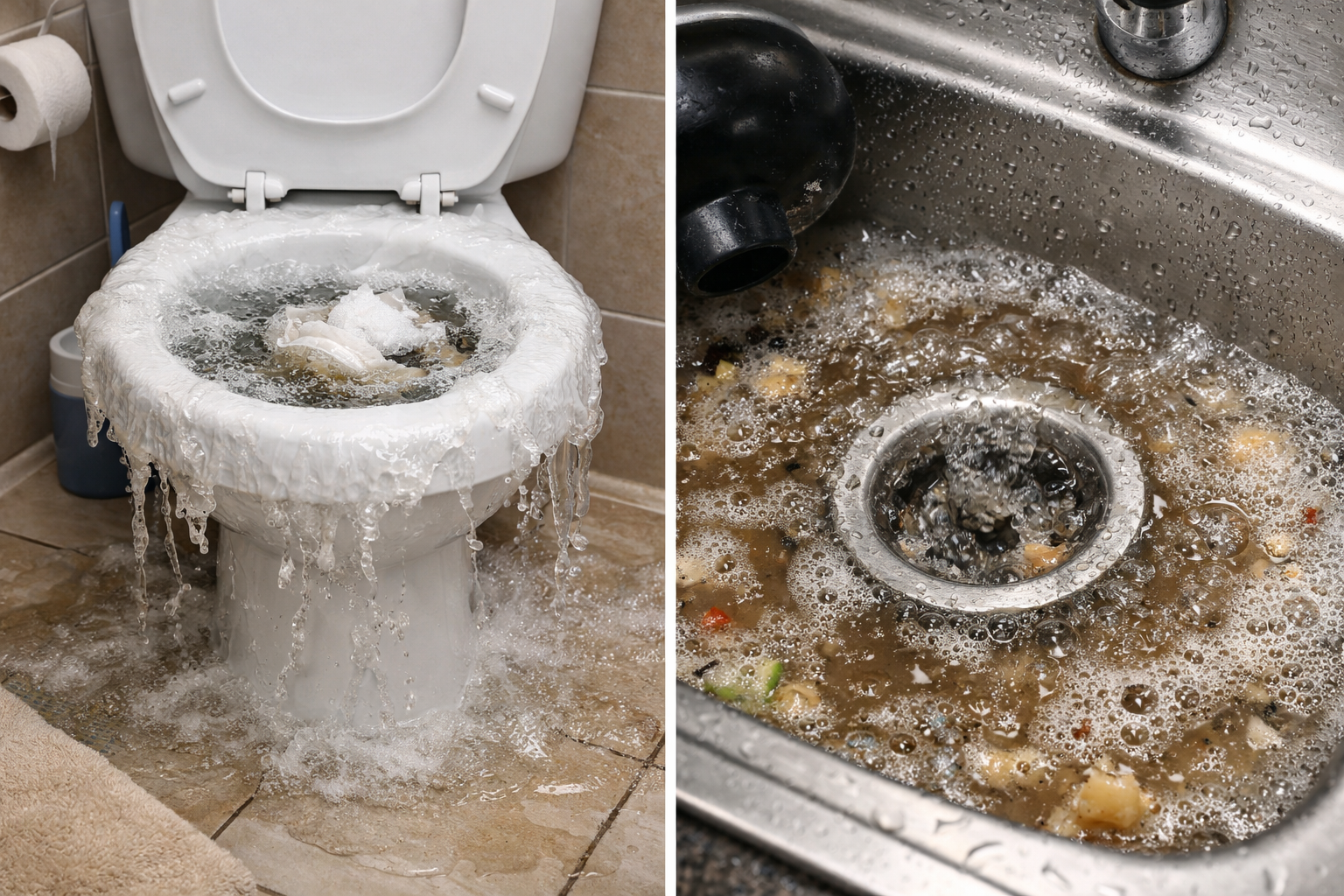
Blocked Drains vs Blocked Toilets – DIY Fixes vs When to Call a Plumber I’ve lost count of how many panicked calls I’ve taken from homeowners who can’t tell whether they’re dealing with a blocked drain or a blocked toilet. Here’s the thing—they’re not the same problem, and treating them the same way can make a simple fix turn into an expensive disaster. After fifteen years of snaking drains and unblocking toilets at 2 AM, I’ve learned that knowing the difference can save you time, money, and a whole lot of stress. Let me walk you through what you’re actually dealing with and when you can tackle it yourself versus when it’s time to pick up the phone. Understanding the Difference Between Blocked Drains and Blocked Toilets A blocked toilet is exactly what it sounds like—something’s stuck in your toilet bowl, the trap, or the waste pipe leading away from it. You’ll know pretty quickly because the water rises when you flush instead of going down. Blocked drains are a different beast. These affect your sinks, showers, baths, or even the main sewer line that carries waste away from your entire house. Sometimes a blocked drain will cause your toilet to act up, which is where people get confused. The easiest way to tell? If only your toilet is affected and everything else drains fine, you’ve got a toilet blockage. If multiple fixtures are backing up—say your shower gurgles when you flush the toilet, or your kitchen sink is slow—you’re likely dealing with a drain problem. Common Causes of Blocked Toilets Most toilet blockages happen because someone’s flushed something they shouldn’t have. I’ve pulled out toys, phone cases, entire rolls of toilet paper, and yes, even a set of car keys. Kids are usually the culprits, but adults aren’t innocent either. The usual suspects include: Too much toilet paper in one flush “Flushable” wipes (which absolutely aren’t flushable, despite what the package says) Sanitary products Cotton buds and cotton wool Paper towels Cat litter Older toilets with weaker flushes are more prone to blocking. If you’ve got a low-flow toilet from the early ’90s, you might be fighting an uphill battle. Common Causes of Blocked Drains Drains block up for different reasons depending on where they are. Kitchen drains hate grease and fat. People pour cooking oil down the sink thinking hot water will wash it away, but it cools and solidifies in your pipes. Mix that with food scraps and coffee grounds, and you’ve built yourself a concrete-hard clog. Bathroom drains collect hair, soap scum, and toothpaste. Over months and years, this builds up until water barely trickles through. Outside drains get blocked by leaves, dirt, and tree roots that crack through the pipes looking for water. I’ve seen main sewer lines completely collapsed because tree roots had been growing inside them for years. The homeowner had no idea until every drain in the house backed up at once. DIY Fixes for Blocked Toilets Most toilet blockages you can sort yourself with a proper plunger. Not the sink plunger with the flat bottom—you need a toilet plunger with the extended flange that seals around the toilet outlet. Here’s the technique that actually works: push down gently first to get a seal, then pull up sharply. The pulling motion is what breaks up the blockage. Most people just push down repeatedly and wonder why nothing happens. Give it ten to fifteen good plunges. If the water level starts dropping, you’re winning. If plunging doesn’t work, you can try a toilet auger. This is a specialised tool with a long cable that you feed into the toilet bowl to break up or hook the blockage. They cost about twenty quid and they’re worth having if you’ve got kids or an old toilet. What you shouldn’t do is keep flushing. I’ve attended callouts where people flushed six or seven times “to try and force it through” and ended up with a flooded bathroom. One flush to check if it’s blocked, then stop. Chemical drain cleaners are a gamble with toilets. The harsh ones can damage your toilet’s internal seals, and if they don’t work, you’ve now got a toilet full of caustic chemicals that I have to deal with. DIY Fixes for Blocked Drains For slow kitchen or bathroom drains, start simple. Remove the drain cover and pull out any visible hair or gunk. Wear gloves—it’s disgusting but effective. Boiling water can shift greasy buildups in metal pipes, but never use it on plastic waste pipes or you’ll melt them. A mixture of baking soda and vinegar creates a fizzing action that can break down soap scum and light blockages. Pour half a cup of baking soda down, followed by half a cup of vinegar, wait thirty minutes, then flush with hot water. A sink plunger works well for bathroom basins and showers. Make sure there’s enough water to cover the plunger cup, block the overflow with a wet cloth, then plunge with quick, sharp movements. For kitchen sinks with a U-bend you can access, put a bucket underneath and unscrew it. Nine times out of ten, that’s where your blockage is. Clean it out, reassemble, and you’re done. Outside drains can sometimes be cleared by lifting the cover and removing leaves or debris. Wear thick gloves and never stick your hand down if you can’t see the bottom. When to Call a Plumber for Toilet Blockages If you’ve plunged for twenty minutes and used an auger without success, there’s something more serious going on. The blockage might be further down the soil pipe where you can’t reach it, or you might have a damaged pipe that’s causing repeated blockages. Call a plumber if you notice any of these warning signs: Water backing up into your shower or bath when you flush the toilet means the blockage is in your main waste line. This needs professional equipment to clear properly. Gurgling sounds from other drains when you flush suggest a
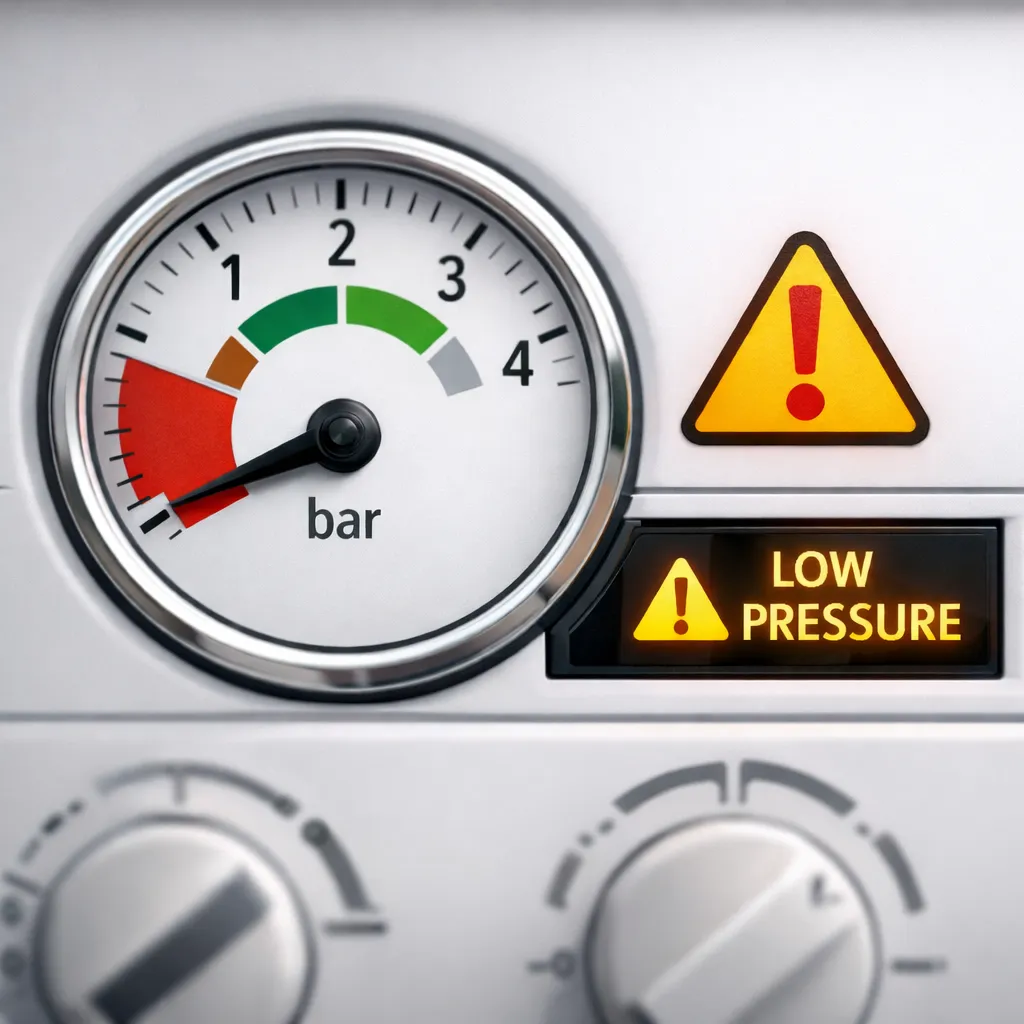
Boiler Losing Pressure Constantly? Causes & When to Call an Engineer
Boiler Losing Pressure Constantly – Causes & When to Call a Heating Engineer You’ve topped up your boiler pressure this morning, and by evening it’s dropped back into the red zone. Sound familiar? A boiler that keeps losing pressure isn’t just annoying—it’s a sign something’s wrong with your heating system. I’ve been fixing boilers for over fifteen years, and I can tell you that constantly topping up pressure is never normal. Let’s get to the bottom of what’s causing it and when you need to pick up the phone to a heating engineer. Why Boiler Pressure Matters Your boiler needs the right pressure to pump hot water through your radiators and taps efficiently. Most modern boilers run best between 1.0 and 2.0 bar when the system’s cold. Drop below 0.5 bar, and your boiler might refuse to fire up altogether. That’s a built-in safety feature, not a fault—the boiler’s protecting itself from damage. But here’s the thing: losing a tiny bit of pressure over several months is normal. Losing it weekly or even daily? That’s a leak or a component failure, and you need to sort it out before it becomes a bigger headache. Common Causes of Pressure Loss Leaking Radiator Valves The valves at the bottom of your radiators take a battering over the years. The compression joints can work loose, or the valve spindle seals wear out. You’ll often spot a small puddle underneath or notice damp patches on the carpet nearby. Sometimes the leak’s so slow you won’t see water—just a crusty white or green deposit around the valve body. I’ve lost count of how many jobs I’ve been to where the homeowner had no idea their radiator valve was weeping. They’d been topping up pressure for months without checking around the house properly. Faulty Pressure Relief Valve Every boiler has a pressure relief valve—it’s a safety device that opens when pressure gets too high. Problem is, sometimes these valves don’t seal properly afterwards, or they fail over time and start weeping constantly. You’ll usually find the discharge pipe outside your house (often a copper or plastic pipe near the boiler). If water’s dripping from it when the boiler’s cold, that’s your culprit. Leaking Expansion Vessel The expansion vessel is a red tank (usually) that handles the expansion and contraction of water as your system heats up and cools down. Inside, there’s a rubber diaphragm that separates air from water. When that diaphragm fails, the vessel can’t do its job properly, and you’ll lose pressure. Testing this requires a pressure gauge on the vessel’s Schrader valve—same type you’d find on a car tyre. If there’s no air pressure or water comes out when you press the valve, the vessel needs replacing or recharging. Automatic Air Vent Problems Modern boilers have automatic air vents that release trapped air from the system. When these vents stick open or their seals perish, water escapes instead of air. They’re usually located on top of the boiler or near the pump. A common giveaway is water stains on the boiler casing or the wall behind it. Hidden Pipe Leaks This is the nightmare scenario. Your heating pipes run under floorboards, behind plasterboard, and through walls. A pinhole leak in a joint or corroded pipe section can drip away for ages before you notice. You might see damp patches on ceilings, staining on walls, or—in really bad cases—your water bill shoots up if the leak’s on the mains-fed side. Underfloor heating systems are particularly tricky. The pipes are buried in screed or concrete, so finding a leak means bringing in specialist detection equipment. Blown Heat Exchanger The heat exchanger is the heart of your boiler—it’s where the gas flame heats the water. Over time, especially in areas with hard water, the exchanger can corrode and develop tiny cracks. This allows water to escape into the combustion chamber or drip out of the boiler casing. If your boiler’s over ten years old and losing pressure with no visible external leaks, a failing heat exchanger is worth investigating. Unfortunately, replacing one is expensive, often making more sense to fit a new boiler instead. How to Track Down the Leak Yourself Before calling someone out, do a bit of detective work. It’ll save you money and might reveal an easy fix. Turn your heating on and check every radiator valve while the system’s hot. Run your hand around the joints and look underneath. Check towel rails too—people always forget those. Look at the boiler discharge pipe outside. Get down low and watch it for a few minutes with the heating on, then again when everything’s cold. Inspect the area around your boiler for water marks, rust stains, or damp patches. Don’t forget to look up at the ceiling if your boiler’s on a ground floor. If you’ve got a water meter, take a reading last thing at night when nobody’s using water, then check it first thing in the morning. If it’s moved and you haven’t used any water, you’ve got a leak somewhere. When to Call a Heating Engineer Right, let’s be clear about when this becomes a job for a professional. If you’ve found a leaking radiator valve and you’re handy with a spanner, you might tighten it or replace the olive and washer yourself. That’s about the limit for DIY on a pressurized heating system. Everything else? Call a Gas Safe registered heating engineer. Boilers are complex, and they’re governed by strict regulations for good reason. Messing about with gas appliances when you’re not qualified is illegal and genuinely dangerous. You definitely need a professional if: The leak’s coming from inside the boiler casing. Only a registered engineer should open up a boiler—there are gas connections, electrical components, and safety devices that can’t be tampered with. You can’t find any visible leak, but pressure keeps dropping. This needs proper diagnostics, possibly including pressure testing different zones of your heating system. The pressure relief valve needs replacing. This is safety-critical and must be
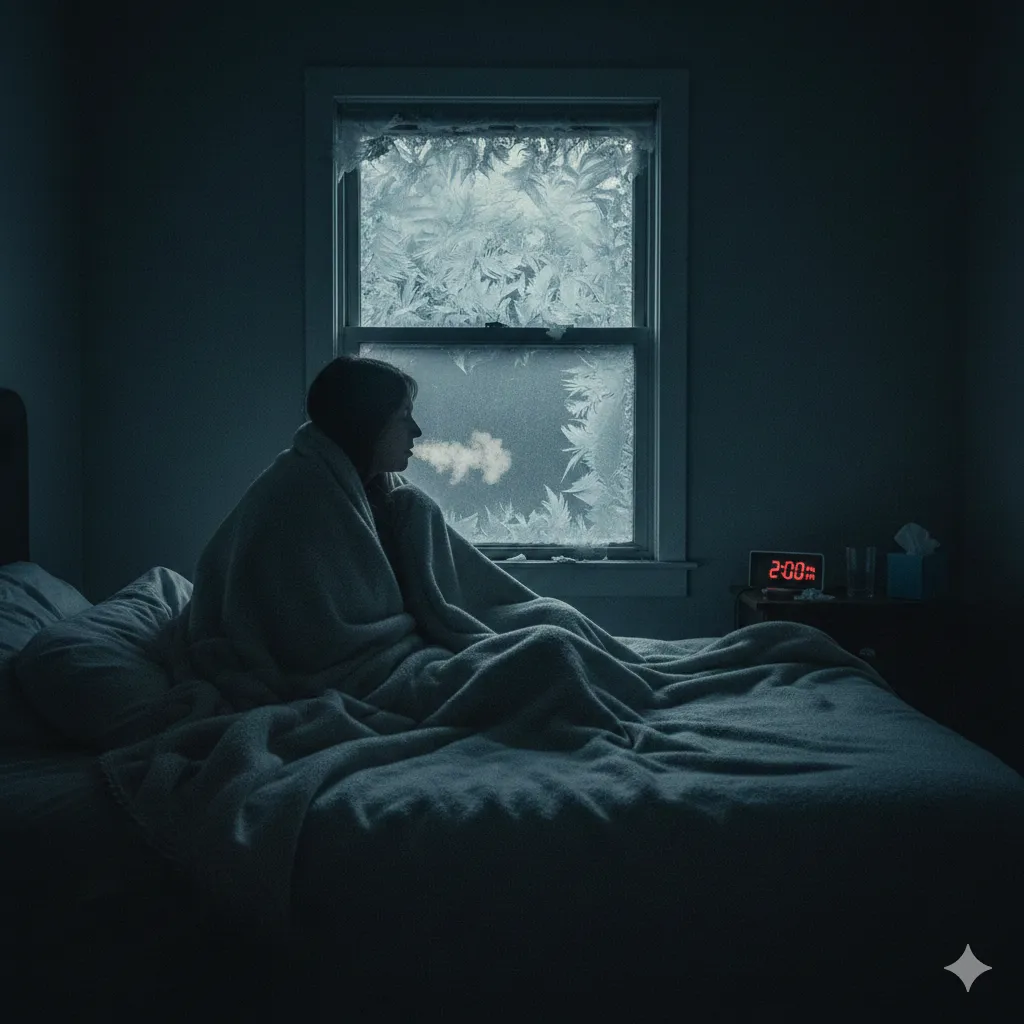
No Heating at Night? Try These Fixes Before Calling a Plumber
No Heating at Night? What to Do Before Calling an Emergency Plumber There’s nothing worse than waking up at 2 AM in a freezing house, wondering if you need to call an emergency plumber right away. I’ve taken hundreds of these calls over the years, and here’s what I’ve learned: about half the time, there’s something simple you can check yourself before spending money on an emergency call-out fee. Don’t get me wrong—I’m not trying to talk myself out of work. But as someone who’s been fixing heating systems for nearly two decades, I’d rather you save some money on the easy stuff and call me when you really need professional help. Let’s walk through what you should check first. Check Your Thermostat Settings First This might sound obvious, but you’d be surprised how many emergency calls I’ve responded to where someone accidentally switched their heating to “off” or changed the schedule without realizing it. Look at your thermostat display. Is it showing the temperature you expected? Many modern thermostats have night setback features that lower the temperature while you sleep. If someone in your household adjusted these settings, your heating might be doing exactly what it’s been told to do—just not what you want. Try bumping the temperature up by five degrees and wait about 15 minutes. If nothing happens, we need to dig deeper. Is Your Boiler Actually Running? Walk over to your boiler and have a look. Most modern boilers have a display screen that shows error codes when something goes wrong. Write down any codes you see—they’re incredibly helpful if you do need to call someone out. Check if the pilot light is on (if you have an older boiler). The pilot light is a small flame that should always be burning. If it’s out, your boiler won’t fire up. Some homeowners can relight their own pilot lights safely, but if you’re not comfortable doing this, don’t attempt it. Gas appliances need to be treated with respect. Listen carefully. Do you hear the boiler trying to fire up but failing? That clicking or humming sound tells me the boiler is getting power but something’s preventing it from igniting properly. Power Supply Problems I’ve driven across town at midnight only to find that someone tripped a switch in the fuse box. Before you call anyone, check your electrical panel. Look for any tripped breakers or blown fuses that control your heating system. The switch for your boiler is usually labeled, though I’ve seen plenty of houses where nothing’s labeled properly. If you find a tripped breaker, flip it back on and see if your heating fires up. Also check the fused spur near your boiler itself. This is a small switch on the wall, usually with a fuse inside. Sometimes these get switched off accidentally when people are cleaning or moving things around. Water Pressure Issues Low water pressure is one of the most common reasons boilers shut down at night. Your boiler has a pressure gauge on the front—it’s usually a dial with green and red sections, or a digital reading. The pressure should typically sit between 1 and 2 bar when the system is cold. If it’s dropped below 1 bar, your boiler won’t fire up. This is a safety feature to prevent damage. You can repressurise most modern boilers yourself using the filling loop underneath the unit. It’s a flexible hose with a valve at each end. Open both valves slowly and watch the pressure gauge climb back into the green zone. Once it reaches about 1.5 bar, close both valves immediately. If your pressure drops frequently, you’ve got a leak somewhere in your system. That’s definitely a job for a professional, but at least you can get the heating working temporarily. Frozen Condensate Pipe This is the nightmare scenario during cold snaps, and it happens more often than you’d think. Modern condensing boilers have a white plastic pipe that runs outside, usually near ground level. When temperatures drop below freezing, the water inside this pipe can freeze solid, blocking your boiler from working. Go outside with a torch and find this pipe. If it’s frozen (you might see ice or feel it’s rock solid), you can carefully thaw it using warm—not boiling—water poured over the pipe. I usually tell people to use a hot water bottle wrapped around the pipe if they’re nervous about pouring water. Once it’s thawed, your boiler should reset and fire up again. But here’s the thing: it’ll just freeze again tomorrow night unless you insulate that pipe properly. That’s a job you can do yourself with some pipe insulation from any hardware store. Radiator Issues Throughout the House Sometimes it’s not the boiler that’s failed—it’s a problem with your radiators. Feel the radiators in different rooms. Are some hot and others completely cold? Is the bottom of each radiator hot but the top cold? If radiators are cold at the top, they need bleeding. Air gets trapped inside over time, preventing hot water from circulating properly. You can bleed radiators yourself with a radiator key (they cost about a pound from any DIY shop). Turn your heating off first, then slowly open the valve at the top corner of the radiator until you hear hissing. When water starts dripping out, close it quickly. If some radiators are hot but others stay completely cold, you might have a circulation problem or a stuck valve. That’s when you need someone like me to balance your system properly. When You Really Should Call an Emergency Plumber Right, let’s talk about when you should pick up the phone and call for help, even if it’s the middle of the night. Call immediately if you smell gas. Don’t try to investigate—just get everyone out of the house, call the gas emergency number, and don’t use any electrical switches or create any sparks. If your boiler is making loud banging, whistling, or gurgling noises, shut it off and call someone. These sounds can
No Heating at Night? What to Do Before Calling an Emergency Plumber
No Heating at Night? What to Do Before Calling an Emergency Plumber Waking up to a cold house in the middle of the night is never fun. You reach for an extra blanket, check the time, and realize your heating isn’t working. Before you panic and call an emergency plumber at 3 AM, there are several simple checks you can do yourself that might get your heating back on. Heating problems often happen at night because that’s when your boiler works hardest to keep your home warm. The combination of colder outdoor temperatures and your system running for hours can expose issues that don’t show up during the day. Some problems are easy fixes you can handle yourself, while others need a professional right away. In this guide, we’ll walk you through the safe checks you can do, explain what might be causing your heating to fail, and help you decide when it’s time to call an emergency heating engineer. Your safety and comfort come first, so let’s get started. Quick Safety Checks Before You Call an Emergency Plumber Before reaching for your phone, spend five minutes running through these basic checks. Many heating problems have simple causes that you can spot and sometimes fix yourself. Check Your Thermostat Settings This might sound obvious, but thermostat issues cause more “no heating” calls than you’d think. Here’s what to look for: Is it set to the right temperature? Someone might have accidentally turned it down. Is it in the right mode? Make sure it’s on “heat” or “auto,” not “off” or “cool.” Are the batteries dead? Many wireless thermostats stop working when batteries run low. If your display looks dim or blank, try fresh batteries. Is the timer set correctly? Your heating might be programmed to turn off at night. Check your schedule settings. If you have a programmable thermostat, the clock might have reset after a power cut, throwing off your heating schedule. Verify Your Power Supply Your boiler and heating system need electricity to run, even if you have a gas boiler: Check your fuse box for any tripped switches. Look for switches in the “off” position or between on and off. If you find one, flip it back on. Look at your boiler’s power switch. Most boilers have a switch nearby that looks like a light switch. Make sure it’s in the “on” position. Check if other appliances work. If your whole house has no power, the problem isn’t just your heating. Try Resetting Your Boiler Many modern boilers have a reset button that can clear minor faults. Here’s how to do it safely: Find the reset button on your boiler (check your manual if you’re not sure where it is) Press and hold it for about 10 seconds Wait a few minutes to see if your boiler fires up Important: Only reset your boiler once or twice. If it doesn’t work after two attempts, stop. Repeatedly resetting your boiler when there’s a real fault can cause damage. Check Your Radiators If your boiler seems to be working but your radiators stay cold: Feel the radiators to see if some are warm while others are cold. Cold spots at the top of radiators might mean trapped air. Check radiator valves are fully open. The valve usually needs to be turned counter-clockwise to open fully. Look for leaks around the radiator valves and pipes. Even small drips can cause pressure loss. Look at Your Boiler Pressure Low pressure is one of the most common reasons for no heating. Most boilers have a pressure gauge on the front: The needle should sit between 1 and 2 when the system is cold If it’s below 1, your pressure is too low If it’s above 3, your pressure is too high If your pressure is low, you might need to repressurise your system. However, if you’ve never done this before, it’s better to call a professional. Doing it wrong can cause problems. Inspect Outside for Frozen Pipes If it’s freezing outside, check your condensate pipe. This is a plastic pipe that runs from your boiler to an outside drain: Look for ice blocking the pipe Listen for gurgling sounds from your boiler If frozen, you can carefully pour warm (not boiling) water over the pipe to thaw it Only do this if you can safely reach the pipe. Never use boiling water or a blowtorch. Common Causes of No Heating at Night Understanding what might be wrong helps you decide whether you can fix it yourself or need professional help. Here are the most frequent culprits when heating stops working at night. Low Boiler Pressure When your boiler loses pressure, it can’t pump hot water around your heating system. Pressure drops happen gradually over time as air escapes through tiny gaps, or suddenly if there’s a leak. You’ll notice this when your boiler pressure gauge shows a reading below 1. Some boilers won’t even try to heat when pressure is too low—it’s a built-in safety feature. Small pressure drops over months are normal. But if your pressure drops often, you might have a leak somewhere in your system that needs fixing. Frozen Condensate Pipe Modern condensing boilers produce condensation that drains away through a plastic pipe. When temperatures drop below freezing, this pipe can ice up and block. Your boiler detects the blockage and shuts down to protect itself. You might hear gurgling sounds or see an error code on your boiler display. This problem happens more at night because that’s when temperatures are coldest. It’s especially common during the first cold snap of winter when pipes haven’t been insulated yet. Faulty Thermostat Thermostats eventually wear out or lose accuracy. A faulty thermostat might: Not send the signal to turn your heating on Think your home is warmer than it really is Lose its connection to your boiler (if it’s wireless) Have internal wiring problems If your thermostat is old, has a yellowed screen, or behaves oddly, it
Best Boiler Installation Ipswich | Local Boiler Installation
Best Boiler Installation Ipswich | Local Boiler Installation & Heating Experts Directory Ipswich · Boiler Installation Directory Best Boiler Installation in Ipswich – Trusted Boiler Installation & Heating Services Hand-picked local boiler installers and heating engineers in Ipswich, Suffolk. Explore services, ratings, pricing notes, and contact details. Keywords naturally included: best boiler installation Ipswich, boiler installation and heating Ipswich, and boiler installation supplies Ipswich. Request a Quote View Boiler Installation Supplies Why choose local boiler installation engineers in Ipswich? Choosing a local specialist means faster call‑outs, better aftercare, and installers who understand Ipswich housing types—from Victorian terraces to new‑build estates around Ravenswood. Local experts can recommend the right combi, system, or regular boiler size for your water pressure and radiators, and they’ll be close by for annual servicing and emergency support. Boiler installation services offered Typical services include new boiler installation and like‑for‑like replacements, full central heating upgrades, smart thermostat setup, system power‑flushing, landlord gas safety certificates, and ongoing boiler servicing and repairs. Many teams are Gas Safe registered and some are also OFTEC registered for oil boilers. Emergency support Most companies listed offer same‑day or next‑day emergency support in Ipswich. If you smell gas or suspect carbon monoxide, call the emergency gas line immediately (0800 111 999) and then contact a qualified engineer from this directory. Boiler installation supplies in Ipswich For parts and trade counters in Ipswich, popular options include City Plumbing (Ransomes Industrial Estate) and Wolseley Plumb & Parts (Derby Road and Goddard Road East branches). These stores stock boilers, flues, fittings, and heating controls. Always confirm stock before travel. FAQs: Boiler installation in Ipswich How much does a new boiler installation cost in Ipswich? Supply and fit for a typical gas combi boiler commonly lands around £2,000–£3,000 depending on brand, warranty, and any pipework changes. Always request a fixed written quote. Are your installers Gas Safe registered? Gas boiler work in the UK must be performed by a Gas Safe registered engineer. Ask to see the engineer’s ID card and check their registration online. Do Ipswich companies install oil or LPG boilers? Yes—several firms cover gas, oil and LPG. For oil systems, look for OFTEC registration. How quickly can I get a boiler installed? Like‑for‑like swaps are often completed in a day. Conversions (e.g., regular to combi) typically take longer due to system changes. Do installers offer finance or extended warranties? Some are accredited by manufacturers (e.g., Worcester Bosch) and can offer extended guarantees when installed to specification. Finance may be available subject to status. What size boiler do I need? Boiler size depends on hot‑water demand, radiators, and insulation. An on‑site survey will let your engineer recommend the correct output and type. Do I need annual servicing? Yes. An annual service keeps warranties valid and ensures safe, efficient operation, especially before winter. Is emergency boiler repair available 24/7? Some providers offer out‑of‑hours cover. Check the cards above for emergency notes or call to confirm availability. Do you cover smart thermostat installations? Most teams can install and configure smart controls (e.g., Hive, Nest, Tado) during or after installation. © Ipswich Boiler Installation Directory. All listings are independent. Keywords included naturally: best boiler installation Ipswich, boiler installation and heating Ipswich, boiler installation supplies Ipswich. Request a Quote Your details will be sent via our contact page. You’ll be redirected to AnglianPHE. Name Phone Email Issue / Description Cancel Continue