 Since 1998
5★ Rated
Since 1998
5★ Rated
- Emergency: 07825 348536
- Office: 01787 278511
💬
Anglian AI Assistant
✕
Hello 👋 How can we help?
Since 1998
5★ Rated
Sudbury is known for its character — beautiful Georgian streets, charming Victorian terraces, and homes full of history. But while these properties offer personality and heritage, they often come with one common problem: heating that just doesn’t perform the way it should.
If you’ve ever found yourself turning the thermostat up… and still feeling cold, you’re not alone. Many homeowners in older properties across Sudbury experience inconsistent heating, rising energy bills, and systems that simply can’t keep up with modern expectations.
The good news? Most of these issues are completely fixable — once you understand what’s really going on behind the scenes. Our Gas Safe registered engineers have been solving exactly these problems for Sudbury homeowners since 1998.
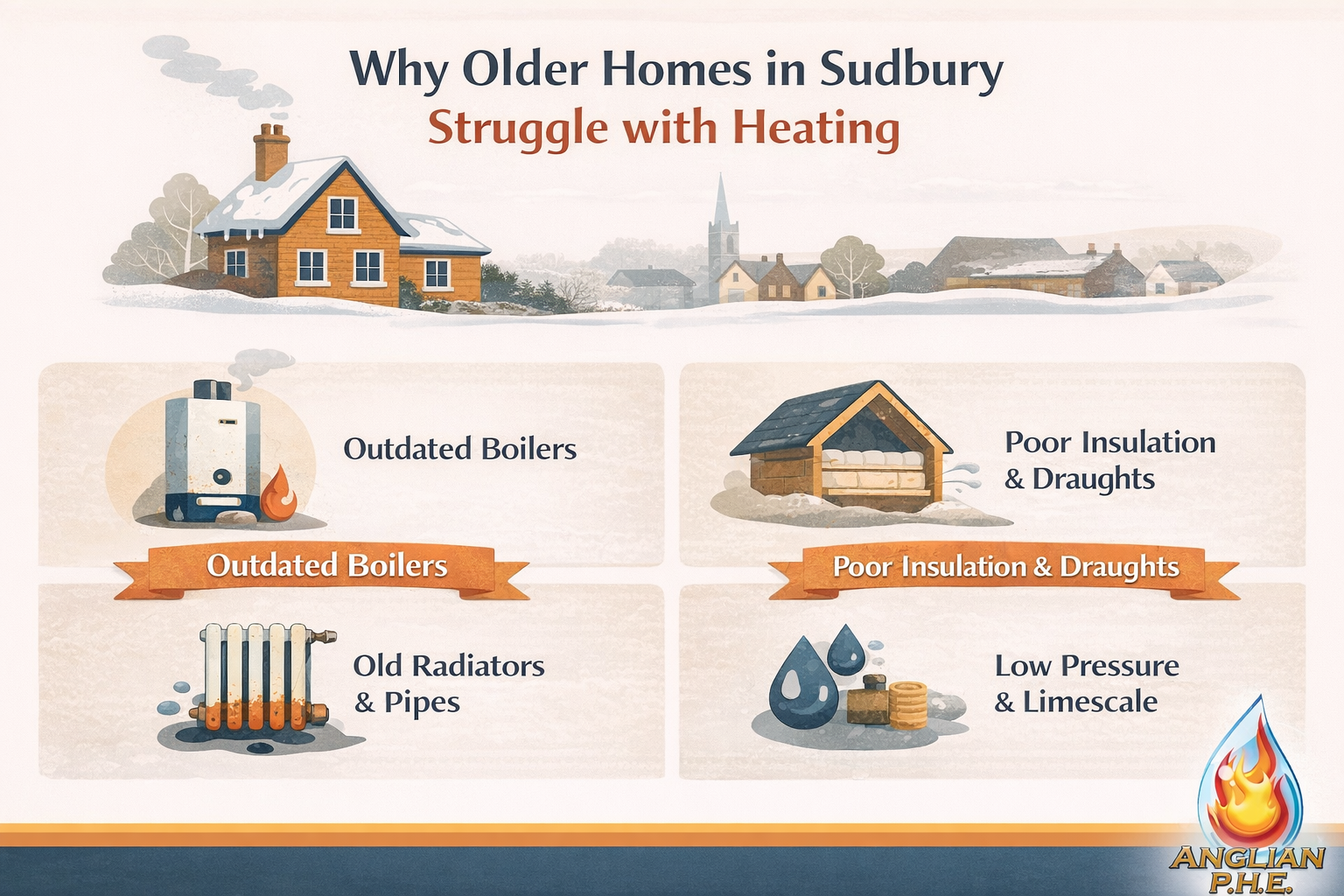
Older homes weren’t built with today’s heating demands in mind. Back then, insulation standards were lower, heating systems were simpler, and energy efficiency wasn’t a priority.
Today, those same homes are expected to deliver:
That’s a big ask for systems that may be decades old.
In fact, many older homes still rely on outdated boilers or ageing pipework, which can significantly reduce efficiency and reliability.

One of the most common issues is simply age.
Many older properties in Sudbury still run heating systems that are:
Older boilers, in particular, lose efficiency over time and can end up costing far more to run. Modern condensing systems, by comparison, can reduce energy use significantly and provide more consistent heating.
There’s also the issue of wear and tear. Components degrade, internal parts clog, and performance slowly declines — often without homeowners realising just how much efficiency has been lost. 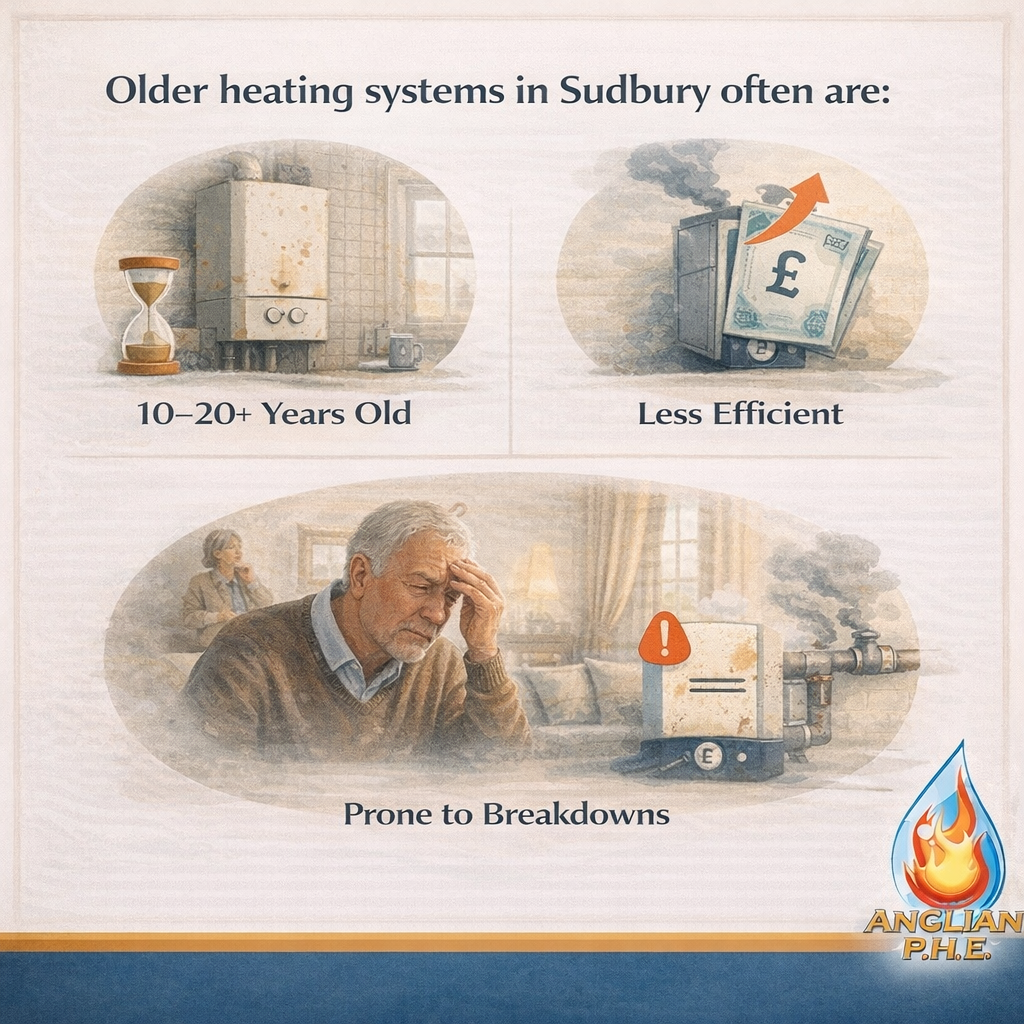
Another major factor is insulation.
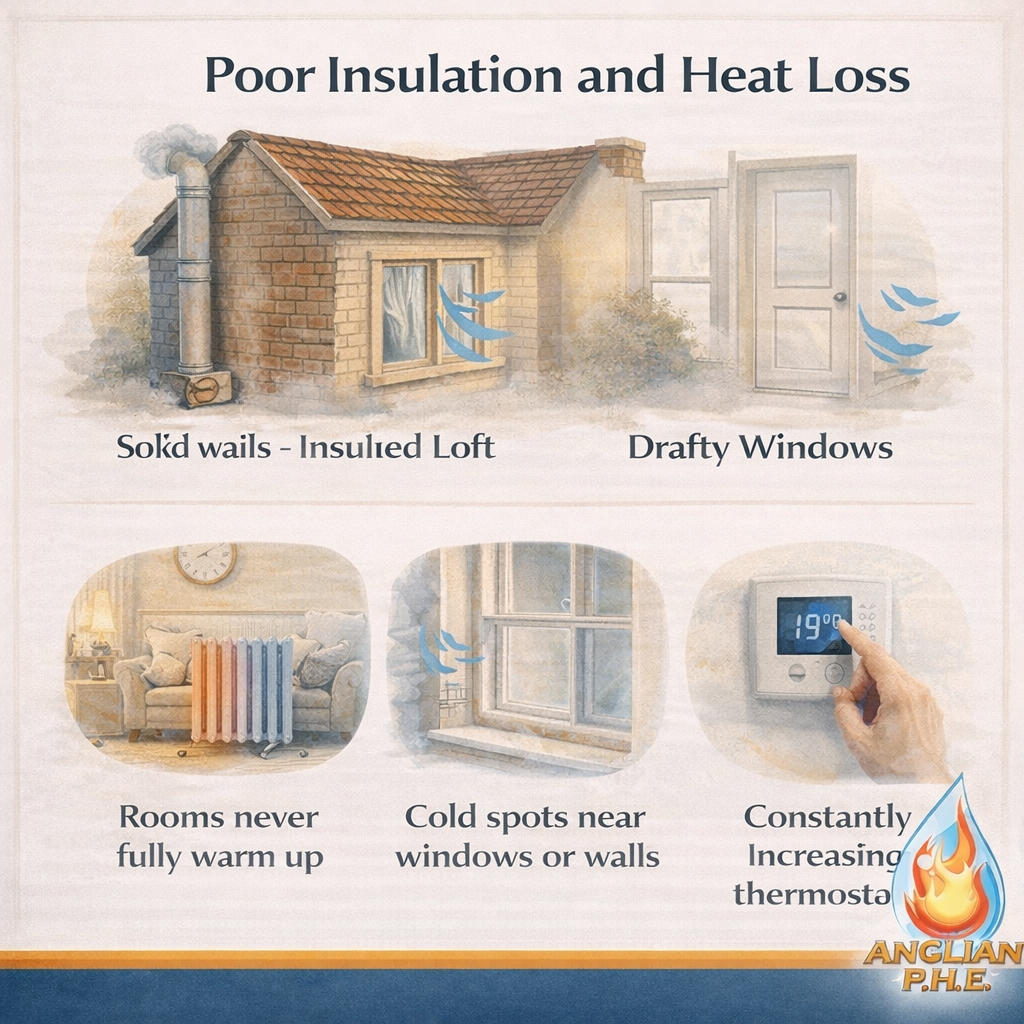
Older homes often have:
This means heat escapes quickly, forcing your heating system to work harder just to maintain a comfortable temperature.
You might notice:
Even the best heating system will struggle if the home itself is losing heat faster than it can be generated.
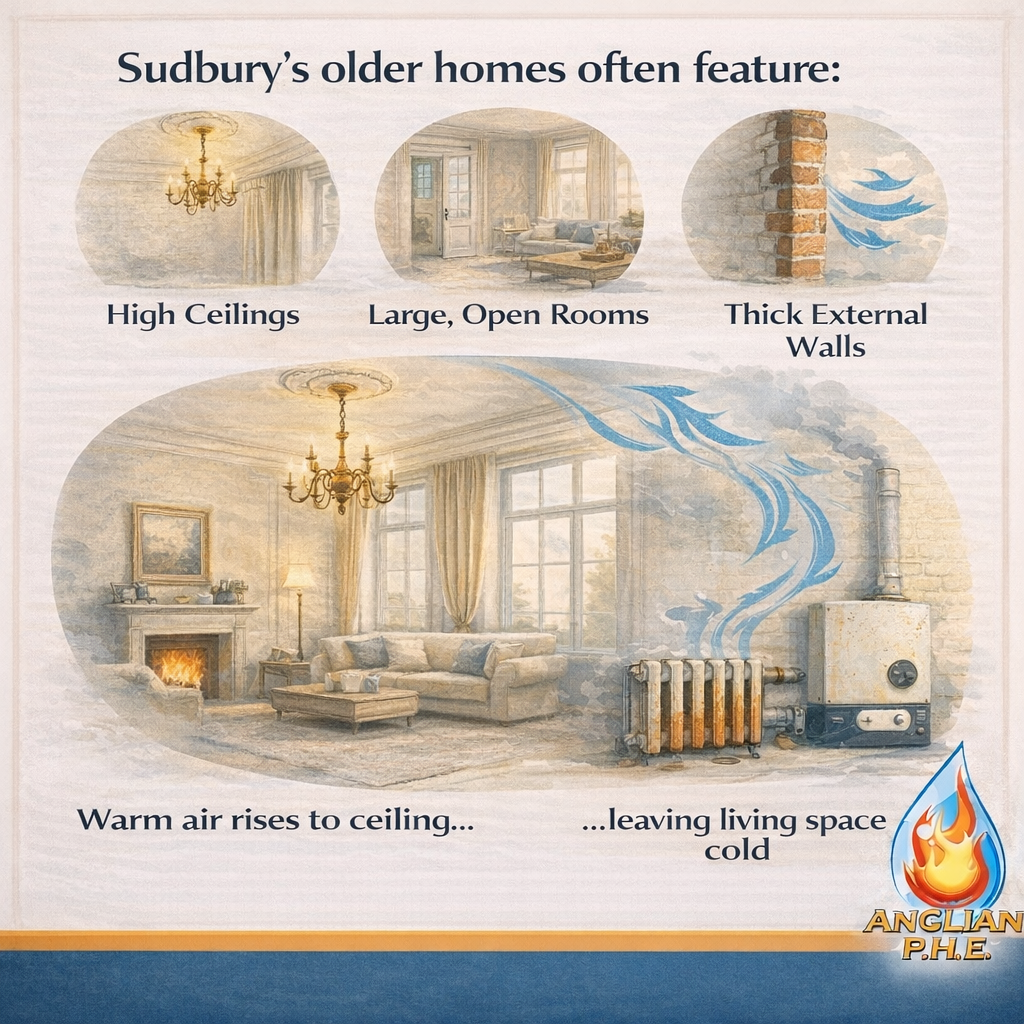
Sudbury’s older homes often feature:
While these features add charm, they also create heating challenges.
Warm air rises — so in a room with high ceilings, much of the heat ends up above head height, leaving the living space feeling colder than it should.
Heating larger volumes of air also requires more energy, putting additional strain on older systems that may already be underperforming.
In fact, heating demands in larger, older homes can be significantly higher, making system efficiency even more important.
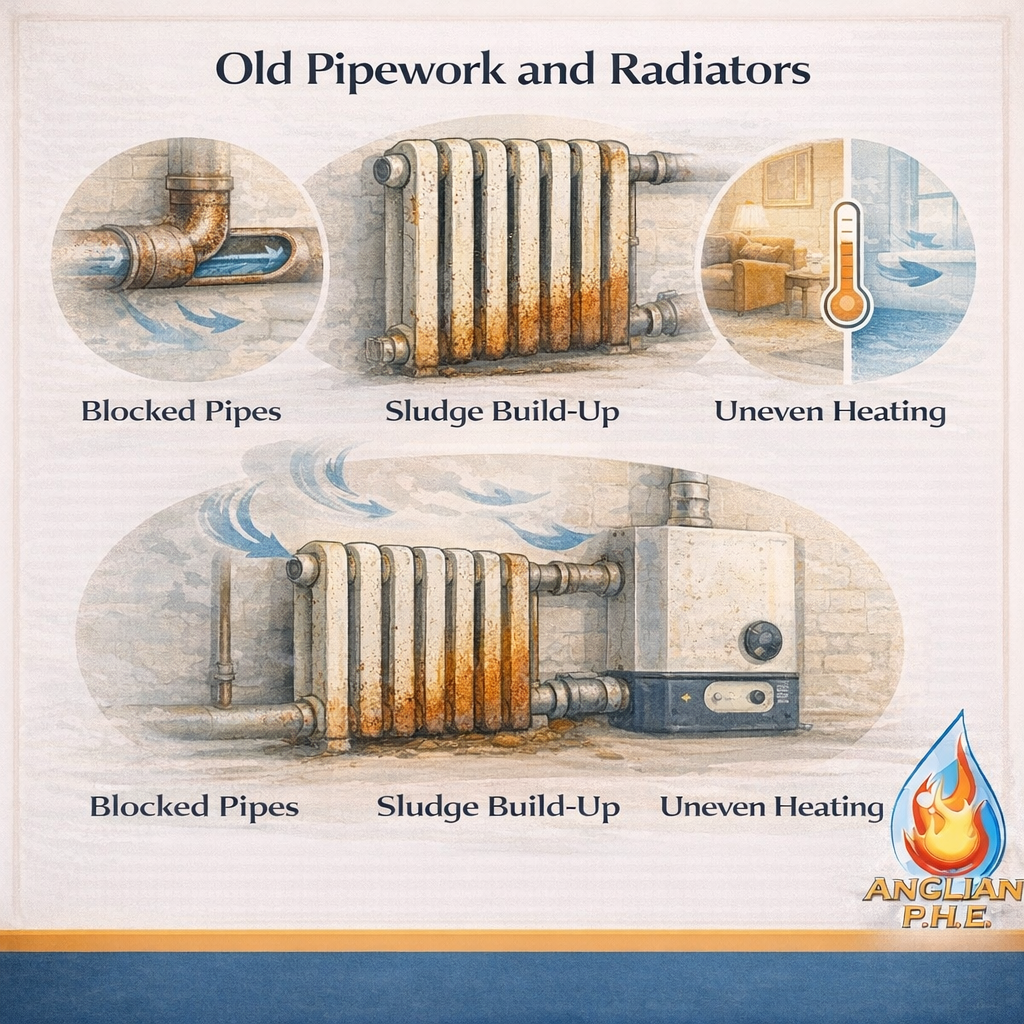
It’s not just the boiler — the entire system matters.
Older properties often have:
Over time, sludge and debris accumulate inside the system, restricting water flow and reducing heat output.
This leads to:
Without proper maintenance, even a newer boiler can struggle when connected to an inefficient system.
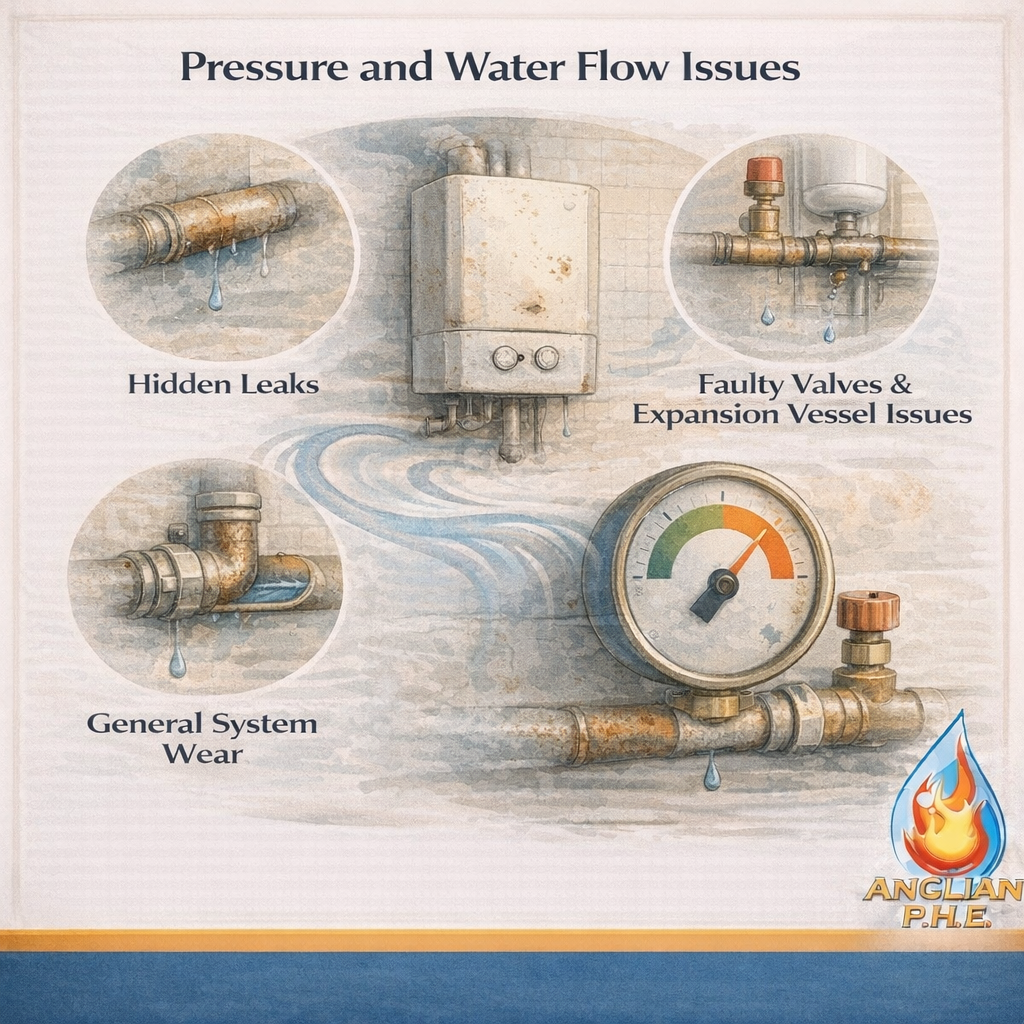
Another common complaint is inconsistent pressure.
Homeowners often notice:
This can be caused by:
Some Sudbury homeowners have even reported long-term pressure problems that went unresolved until a full system upgrade was carried out.
In many parts of Suffolk, including Sudbury, hard water is a known issue.
Over time, limescale can:
This is especially problematic in older systems that haven’t been regularly serviced.

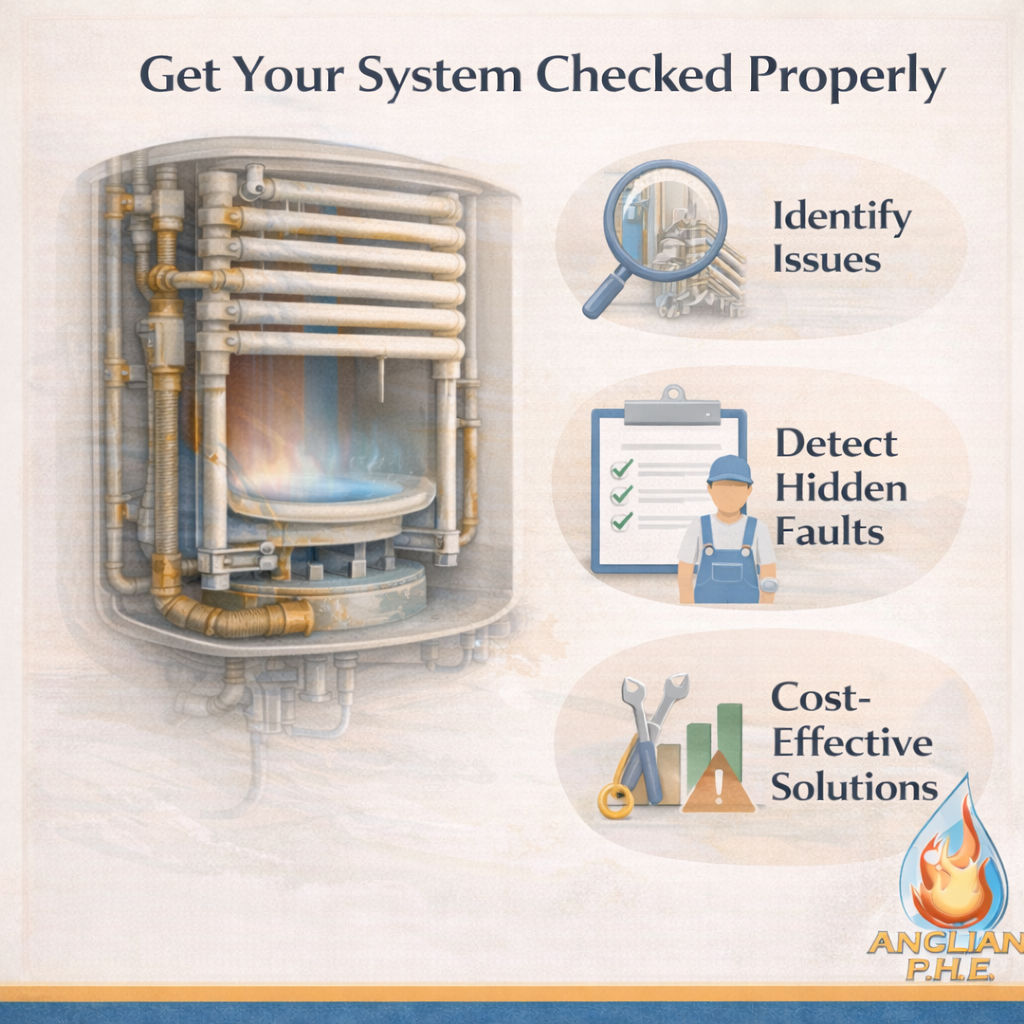
If your heating isn’t performing well, the first step is a professional inspection.
A qualified engineer can:
Companies like Anglian PHE offer full heating diagnostics and cover everything from minor repairs to complete system upgrades. Their engineers are Gas Safe registered and available 24/7 across Sudbury and surrounding areas.
If your boiler is over 10–15 years old, replacement is often the most effective long-term solution.
Modern systems offer:
They’re also designed to work better with modern controls and thermostats, improving overall comfort.

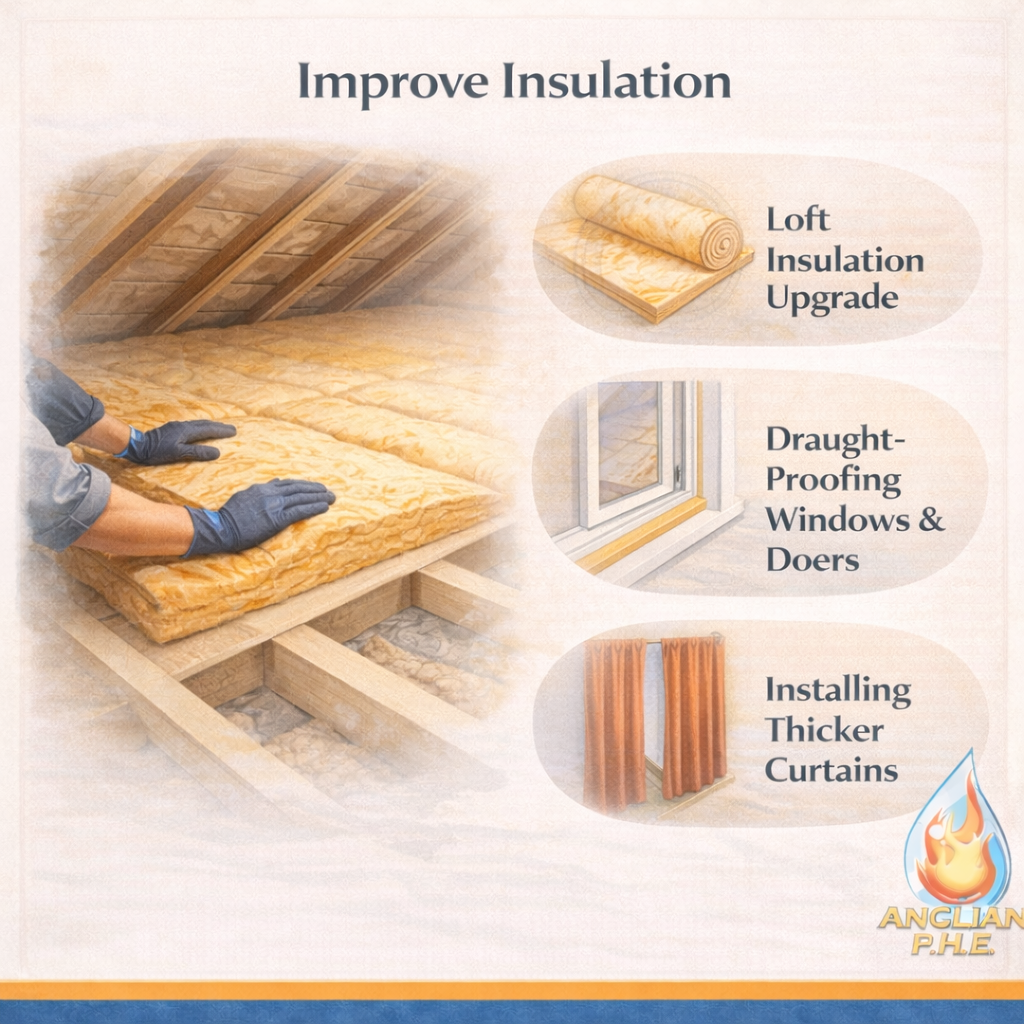
Even small improvements can make a big difference.
Consider:
These changes reduce heat loss, meaning your system doesn’t have to work as hard.
If your radiators aren’t heating properly, the issue may be internal.
A professional power flush or system clean can:
Balancing the system ensures every radiator receives the right amount of heat.

Smart thermostats allow you to:
They’re especially useful in larger or older homes where heating demand varies between rooms.

Heating issues in older homes aren’t one-size-fits-all.
Sudbury has a unique mix of:
Local engineers understand:
This local knowledge often leads to faster diagnosis and more effective repairs.

If you’re experiencing any of the following, it’s time to act:
These aren’t just minor inconveniences — they’re signs your system isn’t working as it should.